No year-long money hold
The initial pledge is not collected money. If no verified goal appears, it expires without a refund workflow.
Our goal is to organize people around an animal that needs help—not simply to raise money. Everyone is encouraged to help in any way they can: share the case, report a sighting, offer transport or foster care, bring supplies, volunteer time, or support verified veterinary treatment.
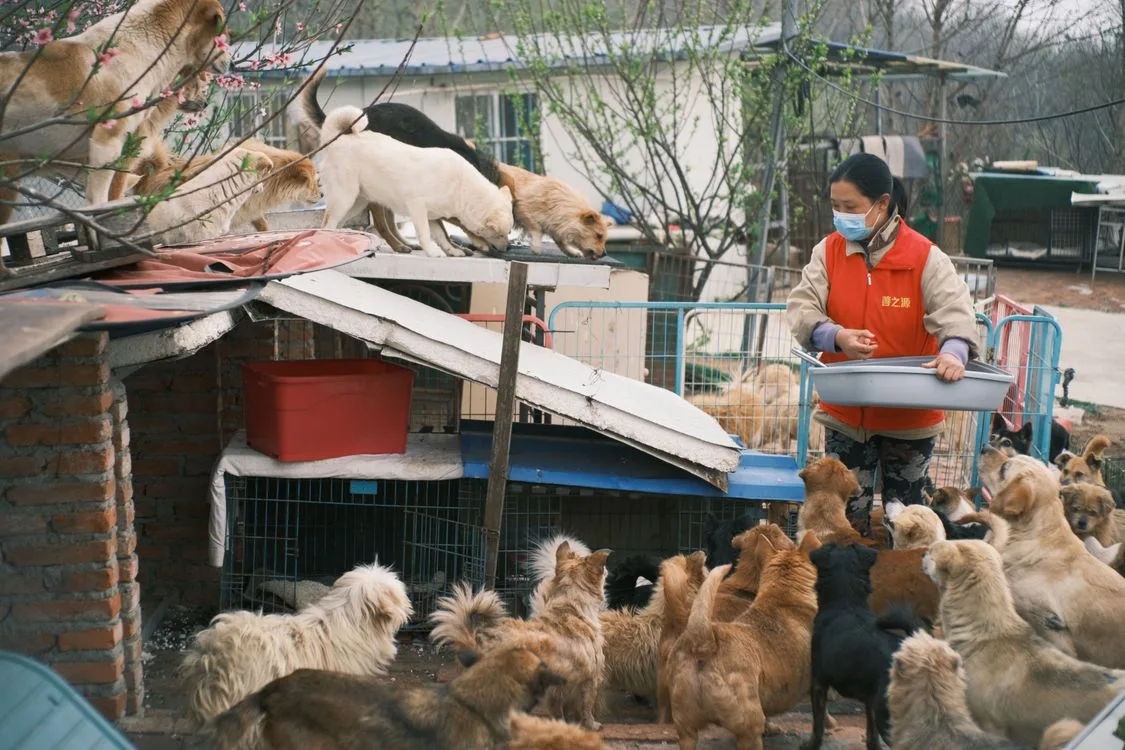
The case stays useful from the first report. Financial support is layered on only when a documented veterinary need exists, and the interface keeps “pledged,” “funded,” and “paid” visibly separate.
Each stage adds evidence or consent. No earlier stage pretends the later one has already happened.
Someone reports a lost, found, sighted, injured, or displaced animal. The case can become active without a dollar goal or ending date. Its first job is to keep descriptions, approximate locations, sightings, needs, volunteers, and outcomes on one current timeline.
People can follow the case, share its stable link, report privacy-safe sightings, and volunteer for specific needs. Exact addresses, private contacts, veterinary documents, and sensitive evidence stay restricted to the people who need them.
A pledge would state what someone may contribute if verified veterinary care is later needed. It is not a donation, charge, authorization hold, stored balance, or promise that Animal Radar can silently debit. Before payment authorization, it remains cancelable and no platform fee is due.
Only when veterinary care becomes necessary would the organizer add a verified clinic, current estimate, care goal, and deadline. The verified clinic estimate must be public on the case, with personal, account, and payment details redacted. The public case would show the reviewed clinic, approved purpose, goal, deadline, amount pledged, and amount actually funded.
Animal Radar would check that the clinic and estimate match the case and that the requested amount and timeline are supportable. Existing pledges could count toward the displayed pledged total immediately, but they still would not be described as money raised.
Eligible supporters would see the verified details and an itemized total before authorizing payment. The live mockup below shows the care amount, Animal Radar platform fee, total charge, clinic, tax treatment, cancellation rules, payment-failure handling, and any required authentication. It demonstrates the intended consent flow without processing a payment.
Only completed payments would increase the funded total. Failed, canceled, expired, or unconfirmed payments would not. The system would accept only the amount needed for the reviewed care goal; excess pledges would remain uncharged unless a separate verified need received separate consent.
The reviewed care amount would be routed to the named clinic, never to an organizer, finder, volunteer, or other individual. The public timeline would distinguish the goal being funded from the clinic payment being completed.
This production-page mockup demonstrates how a supporter would review the public estimate, clinic, care amount, and separate Animal Radar fee. The controls are intentionally inactive and no payment data is requested.
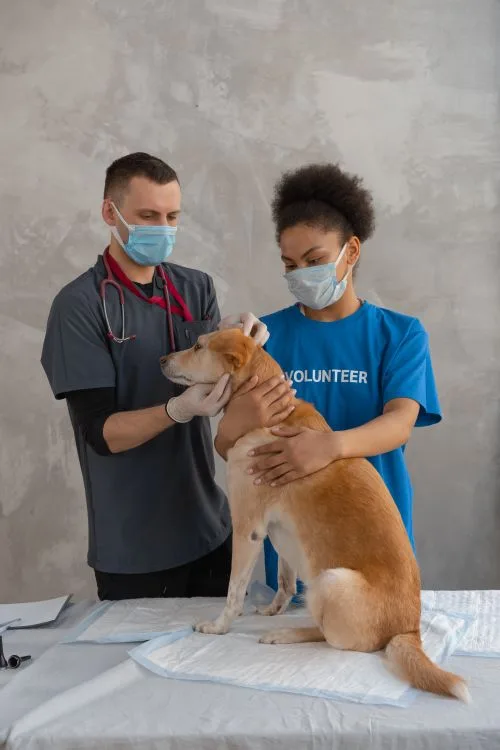
No card details are collected and no payment will be processed by this mockup.
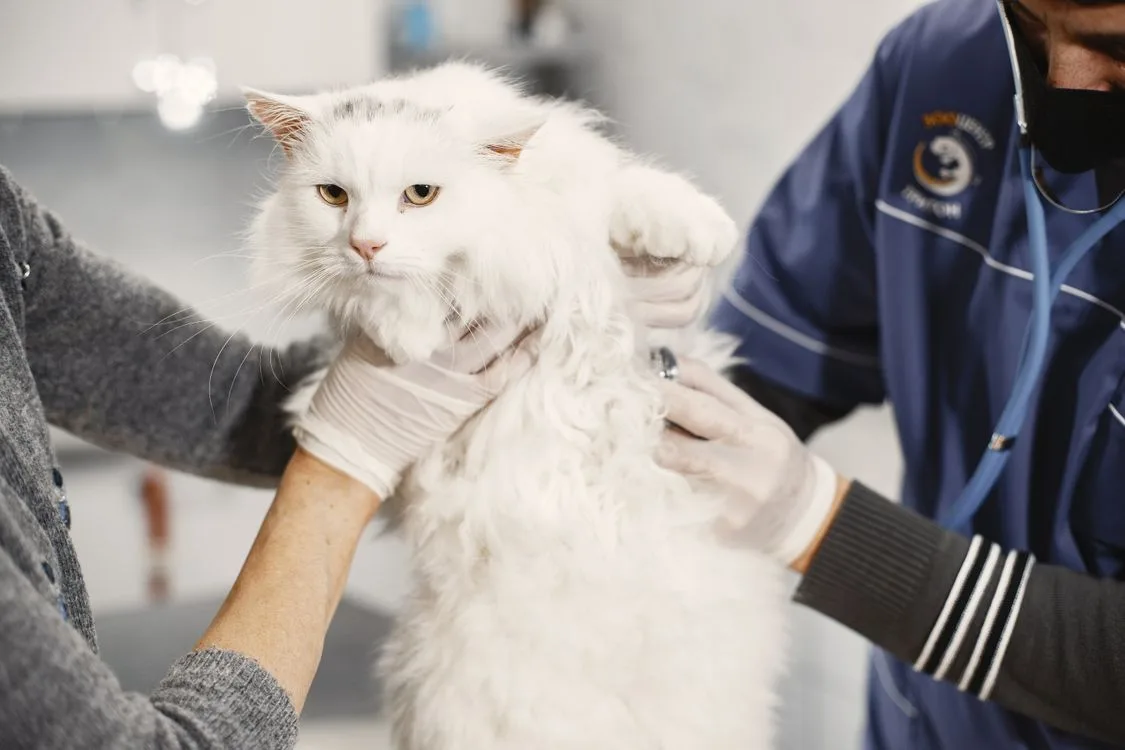
A public clinic estimate lets supporters understand what care was quoted and compare it with the requested goal. Sensitive personal, account, and payment information must be redacted before publication.
The public listing should always show the state, not just a large total.
The initial pledge is not collected money. If no verified goal appears, it expires without a refund workflow.
The clinic, current estimate, purpose, amount, and deadline must be reviewed, and the redacted estimate must be published before payment is requested.
The reviewed care amount goes only to the verified clinic named in the goal.
Pledges are not called funds, failed payments do not count, and the platform fee is not included in care-goal progress.
Support above the reviewed need remains uncharged unless a separate verified need receives separate consent.
The payment authorization screen must itemize Animal Radar's fee and the total before authorization.
The case can continue as an ordinary coordination case. An unused conditional pledge would expire after its disclosed validity period. Because no payment occurred, there is nothing to refund.
Uncharged pledges would not become donations or company funds. They would expire or return to an available state under the final contributor terms. The current preview does not collect money while a goal waits.
No. Under this proposal, the reviewed care amount has one permitted destination: the verified veterinary clinic named on the goal.
No. Goal progress represents only the reviewed care amount. The payment authorization mockup shows Animal Radar's platform fee separately before authorization.
The authorization experience is live as a product mockup, but payment processing is not enabled. Animal Radar is not accepting pledges, requesting cards, saving payment methods, collecting money, or paying clinics through this page.
Animal Radar is publishing the flow so advisors, clinics, payment providers, and counsel can identify weak points before any financial feature opens.